
Where are we going
Introduction
Tim Cook: “I’m not worried about computers thinking like humans, I am more concerned about humans thinking like computers”
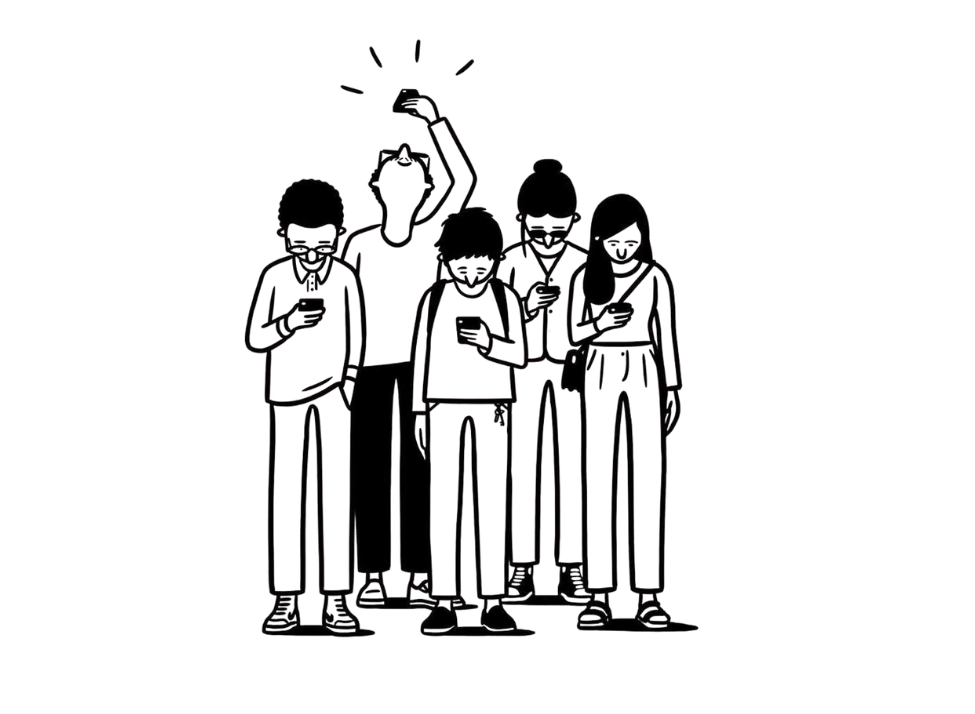
The people of today are goal-driven; they move without personal values or compassion. The average 18-25 year old is hopeless, lacks purpose, has no direction. We outsource our thinking and wait for the next influencer, the next reel, the next TikTok to tell us what to do, to give us opinions, because we don’t think for ourselves. We are scared to make mistakes, we are scared to go wrong, and even more scared to be criticized.
The Cause
Online perfectionism
Every single video or picture online is of a perfect life, a perfect marriage, perfect scores on exams, perfect makeup. People spend hours perfecting that one post for social media, but when you see it you compare it to your normal life. Don’t.
Social media was originally created to be a personal space you can share together with friends even when they’re far from you. But it is now a perfection competition: who has the best pictures, the best life, lives in a better country. We make each other feel like we lack something. It makes people insecure to post an imperfect picture, an imperfect life, an imperfect result; but all some people will ever have is an average life, what will become of these people? The guy who has a rusted car will never post it because he fears his imperfection, the girl who can’t afford makeup or a good camera will fear to show herself because she’s imperfect according to modern standards. They will forever hate their lives because they will never be enough.
Who is to blame? We must blame ourselves.
Individualism
We were promised a better life if we shifted from communities to individualism. Everything became personalized: personalized video recommendations, personalized job recommendations, even people recommendations. But now that every person has the power to become/do whatever they want… we suddenly cannot choose. An endless number of choices: millions of clothes to buy online but you don’t know what to buy, millions of men and women you can see on social platforms but you cannot choose who to be with, hundreds of apps, thousands of websites on your phone, but you are bored. Millions of job openings but you’re unemployed, millions of careers but you don’t know what to be… The human brain did not evolve to evaluate millions of options. It evolved to choose between a few concrete paths inside a tribe.
Fear and hatred
Go to any social media, there are groups of men who are dedicated to blaming women, and groups of women who swear that men are trash. There are groups who are dedicated to hating on other races, other beliefs. Hatred is now a way people can feel part of communities; it is now a brand. When human beings feel inferior they cling to a collective hate campaign, and they blame the opposite group for all their problems: blame men, blame women, blame the government, blame the older generation, blame immigrants. They never seem to look at the root of the problem (themselves). They are scared of being at fault so they always blame others.
Remarks
Stop treating purpose as something you find
Purpose is not discovered by scrolling, thinking, or waiting to feel ready. That mindset is part of the damage.
- Pick one direction that is “good enough,” not perfect.
- Stay long enough to suffer, learn, and matter.
- Accept that boredom and doubt are not signs of failure; they are entry fees.
Chosen constraints
Freedom without limits creates anxiety.
- Give yourself fewer apps.
- Give yourself fewer platforms.
- Give yourself fewer “backup plans.”
- Give yourself fewer options.
Be comfortable with your choices; it’s okay to be wrong.
Conclusion
We are not lost because the world is broken. We are lost because we refuse limits.
We want freedom without commitment, choice without consequence, identity without responsibility. We want meaning, but we avoid the very things that create it: discipline, sacrifice, and long-term effort. So we scroll, compare, blame, and wait for clarity that never arrives.
The solution is not going backward, and it is not destroying technology. It is learning how to live as humans again inside a world that moves too fast. That means choosing fewer things and taking them seriously. It means building small communities instead of performing for large audiences. It means accepting that an ordinary life lived with responsibility is not a failure. So where are we going? Nowhere, until we act like humans.